Procrastination and Inaction
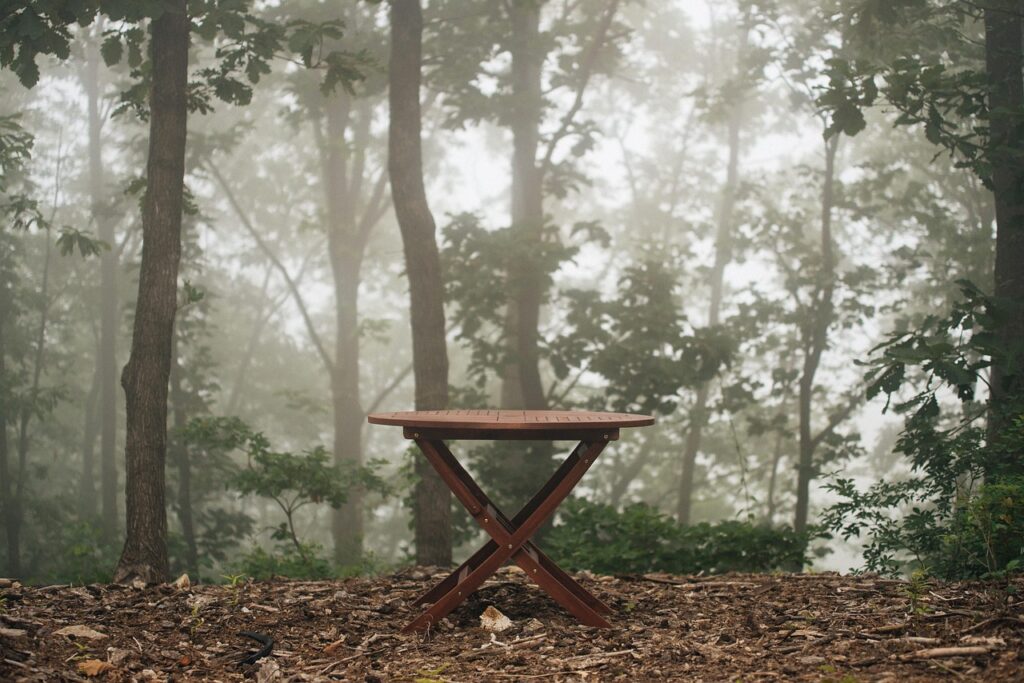
What we call procrastination often carries meaning.
It’s easy to see procrastination as laziness, avoidance, or a lack of discipline. Yet more often, it’s a form of protection — a way the system slows things down when something feels uncertain, overwhelming, or misaligned.
What looks like inaction on the surface may be an attempt to stay safe underneath. The pause isn’t a failure to move forward; it’s information.
Procrastination often shows up quietly. Not as avoiding everything, but as hesitating around the things that matter most.
Important conversations are delayed.
Decisions remain open longer than they need to.
Small tasks are endlessly prepared for, while deeper intentions quietly wait.
Over time, this can create a sense of being stuck, even when life looks busy on the surface. Energy is spent circling rather than moving, and confidence can slowly erode as plans remain unrealised. This often sits alongside overwhelm, where there is simply too much to hold at once. At times, this is connected to ongoing stress, where pressure makes it harder to begin. It can also reflect a loss of confidence, where starting no longer feels simple or safe.
For many people, this pattern isn’t about will power at all. It’s linked to pressure — internal or external — that already feels too heavy. The expectation to get it right. The fear of being seen. The uncertainty about whether a step is truly the right one.
When those pressures are present, slowing down can be an intelligent response. What appears as resistance may be the system saying not yet, even if the mind is saying I should.
In that context, trying to force progress often strengthens the very thing we’re trying to overcome. Pushing harder increases tension, and tension tends to reinforce holding.
Change, however, doesn’t always begin with understanding alone.
Often, it begins with movement.
Not a decision.
Not a plan.
Just a small shift.
For many people, clarity follows movement rather than preceding it. The body moves first — standing up, changing position, stepping outside — and the mind gradually catches up. Energy begins to circulate where there was holding.
These movements don’t need to be meaningful or productive. They don’t have to solve anything. Their value lies in restoring motion, not achieving an outcome.
Sometimes the most helpful question isn’t “What should I do?”
But “What is one small thing that could move right now?”
That movement may feel insignificant. It may not resolve anything immediately. But it often changes the internal conditions enough for something else to follow.
When procrastination is approached this way, it becomes less of an obstacle to overcome and more of a signal worth listening to.
From there, movement tends to return naturally — at a pace that feels possible, rather than imposed.